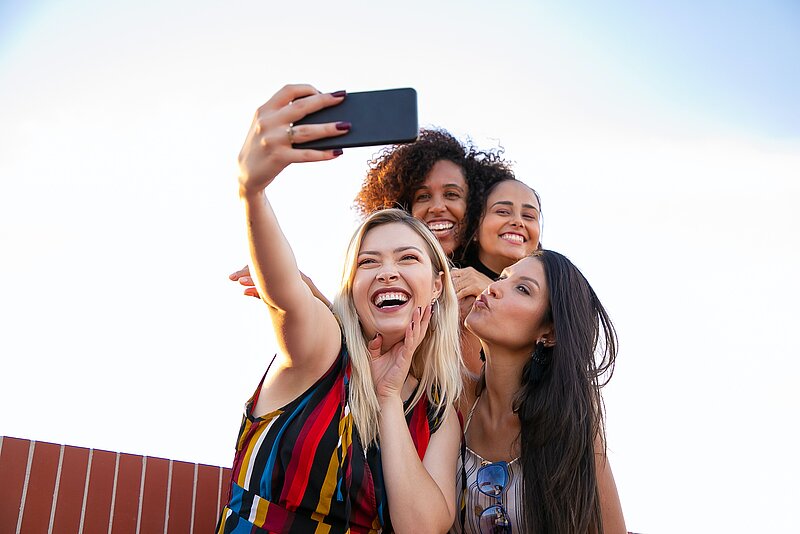
Generation Z, people born roughly between the late 1990s and the early 2010s, is the first generation to grow up with a smartphone in hand. It has now entered the workforce and its spending power is growing: for many companies it is already a core audience, or soon will be.
In this article we look at how Gen Z finds information and buys, what it expects from brands and which strategies work to reach it.
Who Generation Z are
- Digital natives: smartphones, social media and apps have been part of daily life since childhood.
- Used to short video: they get information, entertainment and product discovery mainly through quick video content.
- Selective with attention: they decide in seconds whether content is worth watching.
- Values-driven: sustainability, inclusion, transparency and brand consistency matter in their purchasing choices.
- Privacy-aware: they rely heavily on private messaging and tend to prefer texting to phone calls.
Where they find information and discover brands
| Channel | Role for Gen Z |
|---|---|
| TikTok | Entertainment, trends, product discovery and, increasingly, information search |
| Reels, stories, creators and relationships with brands | |
| YouTube | In-depth content, reviews, tutorials and short videos |
| Messaging apps | Private conversations, groups, word of mouth |
| Gaming and streaming | Communities, live events, new spaces for brands |
For many young people social media is also a search engine: before buying they look for videos from other users and creators rather than the brand’s official page.
What they expect from brands
- Authenticity: real content, real people, natural tone. Overly polished advertising works poorly.
- Consistency: stated values must match the company’s behaviour.
- Engagement: opportunities to take part, comment and co-create with the brand.
- Simple, fast experiences, especially on mobile, from discovery to payment.
- Transparency on prices, sustainability and data use.
Strategies to reach Gen Z
- Think video first: short, vertical content with a clear message in the first few seconds.
- Work with creators who fit the brand, giving them freedom of expression.
- Use user-generated content: customers’ reviews, videos and photos are more credible than any ad.
- Use play and interaction: challenges, quizzes, competitions and gamification mechanics drive participation.
- Be present on new channels with the right tone for each, without copying the same content everywhere. Discover our page on new social networks.
- Communicate values concretely, with facts and actions rather than slogans.
- Make buying instant: direct links, fast payments, social commerce.
Mistakes to avoid
- imitating young people’s language in a forced way;
- using social causes only as an advertising lever;
- reposting TV ads unchanged on social media;
- ignoring comments and criticism;
- asking for too much data or making purchases complicated.
FAQ
Which birth years make up Generation Z?
There is no single definition, but it generally covers people born between the late 1990s and the early 2010s.
Does Gen Z still use Facebook?
Much less than previous generations: TikTok, Instagram and YouTube are more effective to reach them.
Do you need a big budget to reach Gen Z?
Not necessarily: authentic content, collaborations with niche creators and engagement mechanics can work even on modest budgets.
Want to speak to Generation Z?
E-Business Consulting designs social media marketing and engagement strategies for younger audiences: video content, creators, gamification and campaigns on new channels. Get in touch with us for a conversation.